
Last updated: August 7, 2026
Key Takeaways
Here's the dilemma every central marketing team faces: you've spent years building a recognizable brand. But now your local teams, franchisees, regional offices, and individual stores need materials that communicate directly to their communities.
Give them total freedom, and you risk diluting everything you've built. Lock it all down, and they can't connect with their audiences.
This tightrope walk between brand consistency and local customization is one of the most frequent pain points I hear from marketing managers. But here's the good news: you can achieve both. The brands that crack this code see stronger customer connections and dramatically fewer creative bottlenecks.
The real cost of getting it wrong
A marketing director at a national healthcare chain once told me: "We spent months perfecting our rebrand, only to watch it unravel within weeks. One location used the wrong logo. Another changed our tagline. A third created social posts in fonts we'd never approved."
The result? Confused customers, frustrated local teams, and a central marketing department drowning in design requests and damage control.
On the flip side, brands that swing too far toward rigid control face different problems. Local teams feel handcuffed, unable to promote timely offers or address area preferences. Marketing activation plummets. Opportunities slip away while materials wait in approval queues.
The "glocal" approach: think global, act local
The most successful brands maintain a strong global identity while enabling meaningful local adaptation.
Think McDonald's or Starbucks. The golden arches and green mermaid are instantly recognizable worldwide, yet their menus and campaigns reflect regional tastes. McDonald's serves macarons in France and teriyaki burgers in Japan. Starbucks offers red bean frappuccinos in Asia and maple lattes in Canada.
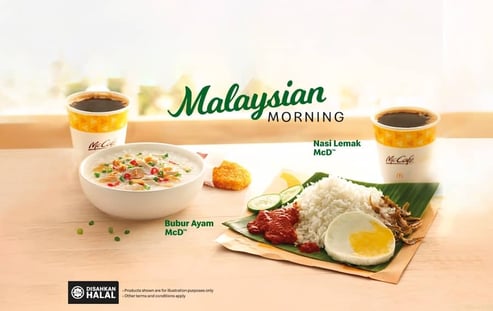
These companies haven't abandoned brand consistency; they've redefined it. Core brand elements stay sacred and non-negotiable. But within clear guardrails, local teams have freedom to customize and connect.
Learn More
Establishing your brand guardrails
The foundation starts with defining what's flexible and what's fixed, making local teams feel trusted and empowered to operate within clear boundaries.
Core brand elements typically include:
- Logo and color palette
- Brand voice and key messaging
- Legal notices and compliance language
- Overall visual style and design principles
These are your brand's DNA, the elements that create recognition and trust.
Everything else? That's where you build in flexibility:
- Offers and promotions
- Imagery reflecting local communities
- Headlines and calls-to-action for regional campaigns
- Social media content tied to local events
The key is documenting these boundaries clearly. Your brand guidelines should explicitly outline what can and cannot be changed, with visual examples of both approved variations and common mistakes.
The power of dynamic templating
Here's where the magic happens: brand-approved templates that lock down the essentials while opening up space for customization. This isn't about giving local teams a PDF to reference; it's about providing interactive tools they can actually use.
Modern distributed marketing platforms let central teams create templates with:
- Locked elements: logo, brand colors, legal copy
- Editable fields: location names, offers, local imagery, event details
A franchisee can create a grand opening flyer in minutes, personalizing it for their community without touching anything that could compromise the brand.
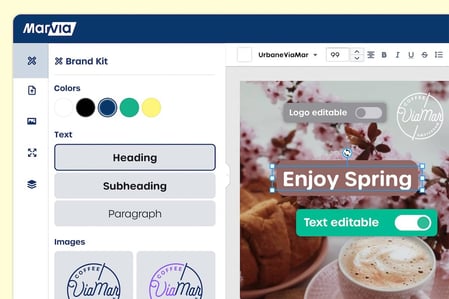 The best systems integrate with your brand's asset library, automatically populate approved logos and imagery, enforce color palettes and font choices, and allow customization only in pre-defined areas.
Local marketing automation takes this even further, reducing costs while speeding up production. For example, Marvia's platform lets brands provide local teams with editable templates that maintain 100% brand consistency, yet increase local marketing activation by up to 70%. Regional managers create everything from social posts to print materials without design expertise or creating extra work for central.
Creating tiered approval workflows
Not all content carries the same risk. A franchise owner posting a holiday greeting on Instagram? Low stakes. Is that the same owner creating a campaign around health claims? Much higher stakes.
Smart brands implement tiered workflows that match oversight to risk:
-
Pre-approved templates for routine materials (location announcements, standard promotions, seasonal greetings) publish instantly.
-
Medium-risk content (local event sponsorships, community partnerships, regional campaigns) may require a quick review from a regional marketing lead.
-
High-stakes content (anything involving claims, new product messaging, major creative departures) goes through full central approval.
This reduces bottlenecks dramatically. Your central team isn't reviewing every social post, but you still maintain control where it matters most. Local teams get the speed and flexibility they need while you protect the brand from costly mistakes.
Centralizing your assets, enable local teams
One of the biggest challenges in distributed marketing is making sure everyone can find what they need. When approved logos live in one place, brand fonts in another, and campaign assets are scattered across email threads, consistency becomes impossible.
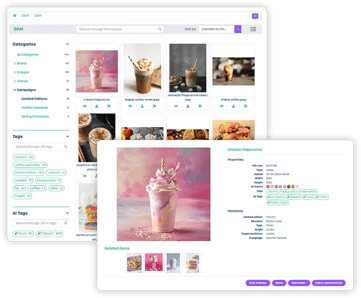 A centralized digital asset management system (DAM) creates a single source of truth. Local teams access the latest brand assets anytime, anywhere, always using the current logo, the right color codes, and approved imagery. No more hunting through old emails or accidentally using outdated materials.
But here's what makes this truly powerful: when your DAM integrates with templating and creation tools, local teams don't just download assets; they create materials using them. They select an approved template, the system automatically pulls in current brand elements, and they customize only the locally relevant details.
Training and enabling local teams
 Even the best tools won't help if your local teams don't understand the "why" behind your brand guidelines.
Focus on three key areas:
- Brand fundamentals: Why consistency matters, your brand story and values, the impact of off-brand content
- Practical how-tos: Navigating your marketing platform, using templates effectively, and understanding approval workflows
- Ongoing support: Regular tips and best practices, showcasing great examples from other locations, channels for questions and feedback
Make training engaging and ongoing. Short video tutorials, one-page quick-start guides, and regular office hours work better than lengthy manuals nobody reads. And celebrate success by spotlighting local teams that create effective, on-brand campaigns to inspire others.
Measuring success and iterating
How do you know if your approach is working? Track concrete metrics:
- Brand compliance rates: Percentage of materials meeting brand standards
- Local activation levels: How many locations are actively creating and deploying marketing
- Time to market: How quickly local teams can launch campaigns
- Central team workload: Reduction in design requests and revisions
- Campaign performance: Customer engagement at the local level

When brands successfully balance consistency with customization, they typically see:
- Local marketing activation increases dramatically
- Design request volumes drop 50-80%
- Time to market cut from weeks to days or hours
- Improved campaign performance because messaging resonates locally
The future is distributed and consistent
The brands winning today aren't choosing between control and flexibility; they're building systems that deliver both. By building clear guardrails, providing smart tools, and empowering local teams with training and support, you maintain brand consistency that builds trust while enabling local customization that drives results.
The technology exists. The strategies are proven. And the case for local marketing has never been stronger. The question is: are you willing to transform how your brand operates across locations?
Your competitors are figuring this out. Your local teams are hungry for tools that help them compete in their markets. And your central team deserves to spend their time on strategic projects instead of reformatting flyers.
The balance between consistency and customization isn't just possible, it's essential. The brands that master it will be the ones customers recognize, trust, and choose, no matter where they encounter them.